Skip to main content
Home
About Us
About Us
CRG Board
Executive Board Member Responsibilities
CRG In The News
2026 Local Elections
2026 Local Elections
Know The 2026 Candidates - OR Rep District 3
Know Your Candidates: Commissioner Position 1
Know Your Candidates: Commissioner Position 2
County Clerk & Treasurer
2026 Elections-jail
School Bond Measure 17-130
Volunteer
News
Did You Know?
Renew Your CRG Membership
MEMBERS ONLY
MEMBERS ONLY
JoCo CRG Records
Contribute
Sign In
Become a Member
Login
Did You Know?
What is the County Clerk’s job?
Webster
Oct 06, 2026
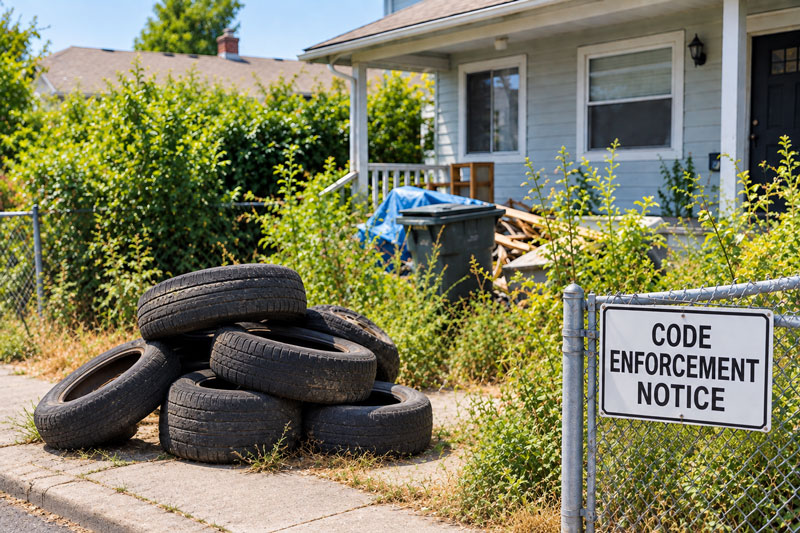
Code Enforcement - A Deeper Look
Nannette Chase
Sep 22, 2026
CODE ENFORCEMENT -- The Basics!
Webster
Jul 27, 2026
About Oregon Whistleblower Protection Statutes
Webster
Jul 27, 2026
County Commissioners Now Listen to Citizens
Webster
Jun 15, 2026
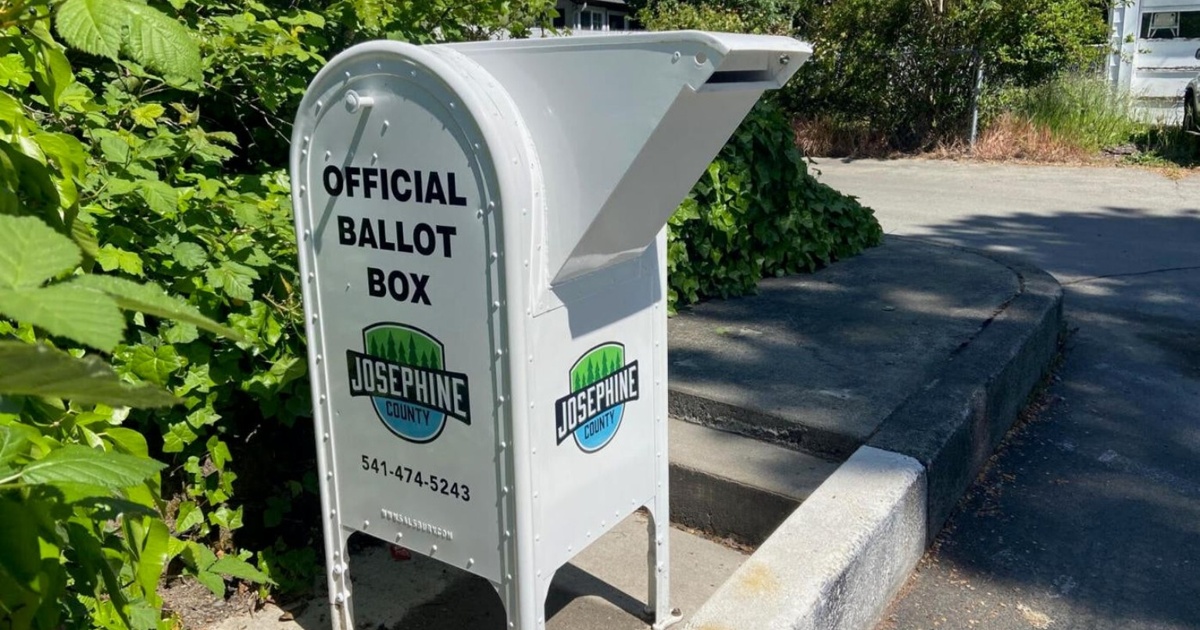
From Election Creation to Election Outcomes
Webster
Apr 30, 2026
Why Forums and Interviews Matter for Voter Education
Webster
Apr 10, 2026
County Advisory Boards -- Join One
Webster
Mar 30, 2026
Who Are "NAVs"?
Lynda Demsher
Mar 22, 2026
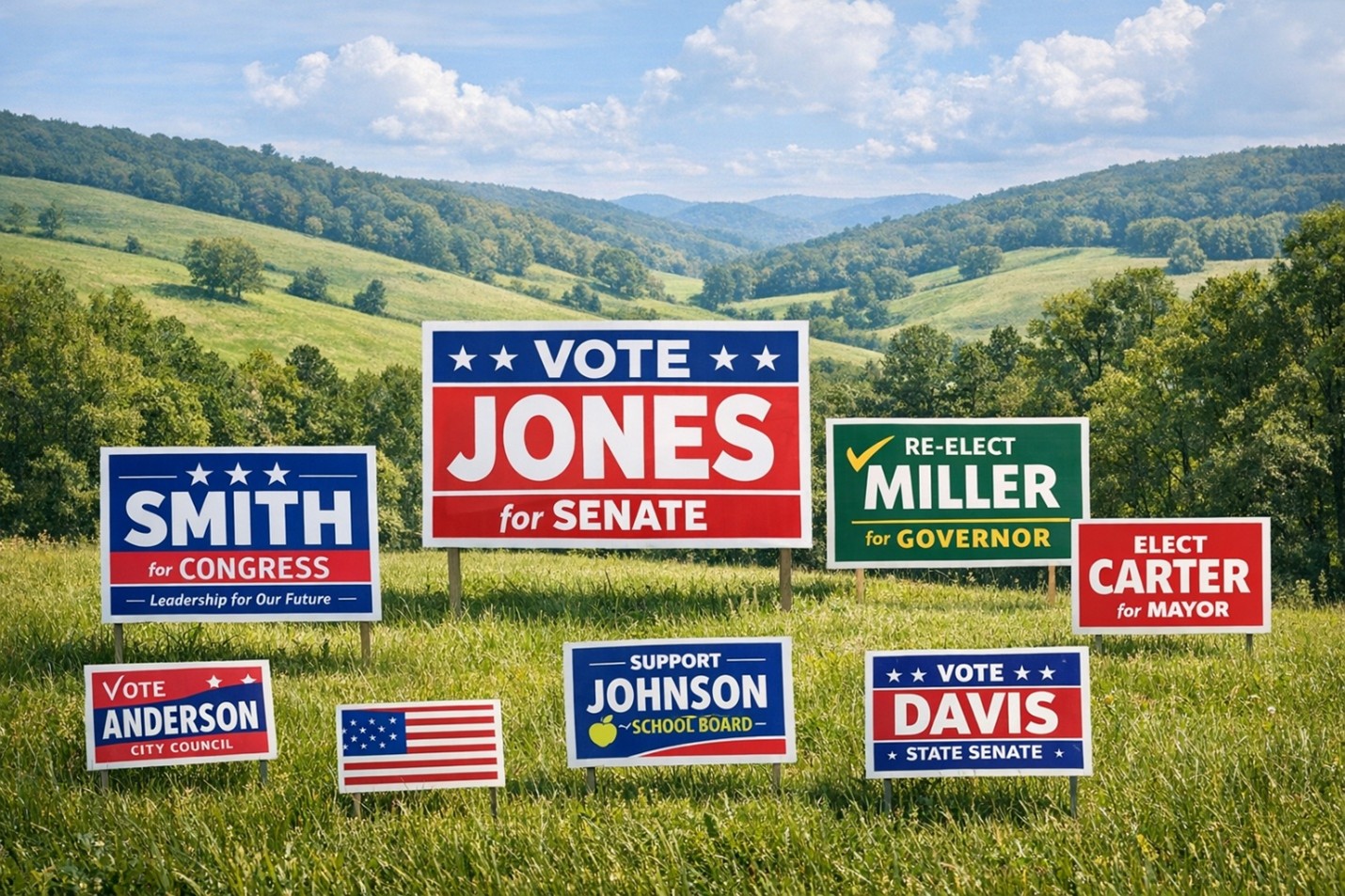
Do you know about Political Signs?
Webster
Mar 17, 2026
«
1
2
»
Read the blog at Citizens for Responsible Government
Did You Know?
Sign in to your account
Login
or click here to create an account